

 Current position > Product detail
『Acid Resistant Flow Meter: Material sizing for aggressive chemical environments.』Related information(clamp on meter|electromagnetic meter|venturi meterrotameter|orifice meter|ultrasonic flow meter|mass flow meter|coriolis mass flow meter|coriolis flow meter|magnetic flow meter|magmeter flow meter|magflow flow meter|mag meter flow meter|electromagnetic flow meter|vortex flow meter|turbine flow meter|thermal mass flow meter|thermal flow meter|rotameter flow meter)
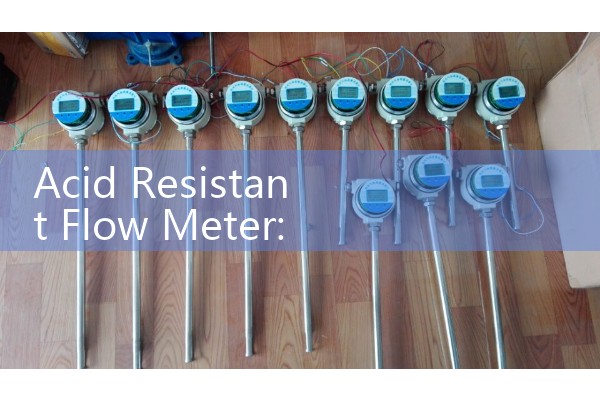
Acid Resistant Flow Meter: Material Sizing for Aggressive Chemical Environments
Quick Answer
For most aggressive acid applications, Silver Instruments recommends an electromagnetic flow meter with a PTFE or PFA liner and Hastelloy C-276, tantalum, or platinum electrodes. Acid type, acid concentration, process temperature, and pipe size together decide the final material combination. Send us your acid name, concentration in percent, temperature in degrees Celsius, pipe size in DN, and flow range in cubic meters per hour for a material check and price.
Start With the Chemical, Not the Flow Meter
Most engineers skip this part and then wonder why a meter fails after six months. The acid concentration changes conductivity, corrosion rate, and liner compatibility. A 10 percent hydrochloric acid at 30 degrees Celsius is not the same as 30 percent hydrochloric acid at 60 degrees Celsius. We have seen this on customer sites many times. The flow meter body, liner, electrode, and grounding ring must all match the exact chemical environment.
Liner Materials for Acid Service
PTFE is the first choice for strong acids because it resists almost all chemicals. Use PTFE liners up to 120 degrees Celsius for hydrochloric acid, sulfuric acid, and nitric acid transfer. PFA works up to 150 degrees Celsius and handles slight vacuum better than PTFE. Polypropylene is lower cost but only suits weak acids below 60 degrees Celsius. We do not recommend rubber liners for aggressive acid service because acid attack can delaminate the liner. For small DN15 to DN25 acid dosing lines, a PTFE liner with a PVDF body works well. For DN50 to DN100 acid transfer lines, a carbon steel body with PTFE liner and stainless steel flange is common in Southeast Asia and Latin America. Here is the thing. If your process includes negative pressure, tell us in the inquiry. Vacuum can pull PTFE liners away from the pipe wall and destroy the meter.
Electrode Materials for Acid Dosing and Transfer
Hastelloy C-276 suits hydrochloric acid, phosphoric acid, and sulfuric acid at common concentrations. Tantalum performs well in sulfuric acid and nitric acid but must never be used with hydrofluoric acid or fluorides. Platinum works in mixed acid streams and high temperature oxidation. Titanium fits nitric acid and some organic acids but fails in hydrochloric acid. In practice, we often see a paint manufacturer in Southeast Asia use a DN25 electromagnetic flow meter with PTFE liner and tantalum electrodes for 20 percent hydrochloric acid dosing. Last year a customer in Vietnam ordered a DN40 meter with Hastelloy C-276 electrodes for a dilute sulfuric acid line. Because electrode cost varies widely, you need to match the material to the acid, not simply pick the most expensive option.
Pipe Size and Flow Range Decide the Meter Size
Acid dosing pumps often run at 0.5 to 8 liters per minute, so a DN10 or DN15 meter is enough. Acid transfer from storage to day tanks usually runs from 2 to 20 cubic meters per hour in a DN40 or DN50 line. A larger DN80 or DN100 acid circulation loop may run at 40 to 120 cubic meters per hour. Oversizing an electromagnetic flow meter causes low flow velocity and reduces accuracy. For a 15 percent nitric acid transfer at 25 degrees Celsius, a DN25 Silver Instruments electromagnetic flow meter with PTFE liner and titanium electrodes can measure 0.3 to 10 cubic meters per hour with p
Output, Certification, and Installation Notes
Standard output is 4-20 mA HART plus RS485 Modbus. We also supply pulse output for batch dosing. Most chemical plants in the Middle East and Southeast Asia ask for ATEX Zone 1 or Zone 2 certification due to solvent vapors near acid storage areas. The meter body can be compact or remote type. For strong acids, a remote transmitter mounted away from the sensor is safer when acid splash is possible. IP67 rating is standard for the sensor. Grounding rings in Hastelloy C-276 or tantalum may be required if the plastic pipe has no conductive path. For acid transfer with a magnetic flow meter, the meter must be full of liquid. Install the meter in a vertical or upward sloping line if the flow stops and drains between batches. Do not install an acid meter at the high point of a suction line because air pockets cause reading errors.
What We Have Seen on Customer Sites
A chemical plant in Indonesia ran 30 percent sulfuric acid at 45 degrees Celsius through a DN50 electromagnetic flow meter with PTFE liner and platinum electrodes. The meter lasted four years before a liner inspection was needed. A water treatment facility in the Philippines used a DN15 polypropylene body meter for 5 percent phosphoric acid but the liner cracked after one year because the acid temperature exceeded 70 degrees Celsius on weekends. That failure could have been avoided with a PFA liner. Because we ask for acid type, concentration, temperature, and pipe size before quoting, most material mistakes are caught early.
How to Send a Correct Inquiry
Send us your pressure in bar, temperature in degrees Celsius, pipe size in DN, and flow range in cubic meters per hour. Include acid name and concentration. For example, write 25 percent hydrochloric acid at 40 degrees Celsius in a DN25 line with 0.5 to 8 cubic meters per hour flow. Tell us the signal output you need, such as 4-20 mA HART or RS485 Modbus. Also tell us if you need ATEX Zone 1 or Zone 2 certification. You can reach Silver Automation Instruments by telephone at +86-25-68650347, by Whatsapp at +86-25-52155837, or by WeChat at +86 15365082610.
FAQ
What liner is best for 30 percent hydrochloric acid? PTFE is the safest liner for 30 percent hydrochloric acid up to 120 degrees Celsius. Use tantalum or Hastelloy C-276 electrodes depending on temperature and flow velocity.
Can I use a plastic body flow meter for acid? Yes, a PVDF or polypropylene body with PTFE liner works for small acid dosing lines. But plastic bodies are not suitable for vacuum, high temperature, or large pipe sizes above DN50.
Which electrode works with sulfuric acid? Tantalum or platinum works for sulfuric acid. Hastelloy C-276 also suits dilute sulfuric acid up to 60 degrees Celsius. Never use titanium with sulfuric acid because it corrodes quickly.
What is the maximum temperature for PTFE liner in acid service? PTFE liner handles up to 120 degrees Celsius in continuous acid service. PFA liner handles up to 150 degrees Celsius and is better when slight vacuum occurs.
Do you offer ATEX Zone 1 acid flow meters? Yes, Silver Instruments supplies electromagnetic flow meters with ATEX Zone 1 or Zone 2 certification. Tell us the gas group and zone classification in your inquiry.