

 Current position > Product detail
『Small flow gas mass flowmeter』Related information(clamp on meter|electromagnetic meter|venturi meterrotameter|orifice meter|ultrasonic flow meter|mass flow meter|coriolis mass flow meter|coriolis flow meter|magnetic flow meter|magmeter flow meter|magflow flow meter|mag meter flow meter|electromagnetic flow meter|vortex flow meter|turbine flow meter|thermal mass flow meter|thermal flow meter|rotameter flow meter)

What is a micro gas mass flowmeter? The micro gas mass flowmeter refers to a thermal impulse gas mass flowmeter, which is a high-precision measuring instrument used for continuous measurement of liquid flow in pipelines. It has many advantages such as a wide range of measurement, low pressure loss, and easy installation, making it an ideal product for excavator. 2. Analysis of the difference between the actual gas output and the displayed value of the gas mass flowmeter
There is a difference between the actual gas output and the displayed value of the gas mass flowmeter, which may be caused by various factors such as the flowmeter itself, process conditions, and testing methods. Targeted investigation and resolution are needed.
.Firstly, factors such as zero drift sensor aging, environmental temperature changes, or electromagnetic interference may cause the flowmeter to display non-zero values when there is no gas flow.
. For example, sensors that are used for a long time may experience zero offset due to material fatigue, while temperature fluctuations may cause changes in electronic component parameters. Jiejianling Quick Solution: Regularly calibrate the flow meter to ensure that it displays zero when there is no flow; The calibration environment should be consistent with the actual working conditions to avoid external factors such as temperature and electromagnetic interference. Improper setting of flow coefficient is the core parameter for flow meter calculation. If the set value does not match the actual gas properties (such as density, viscosity) or pipeline conditions (such as diameter, roughness), it can lead to measurement deviation. Solution: Recalculate the flow coefficient ba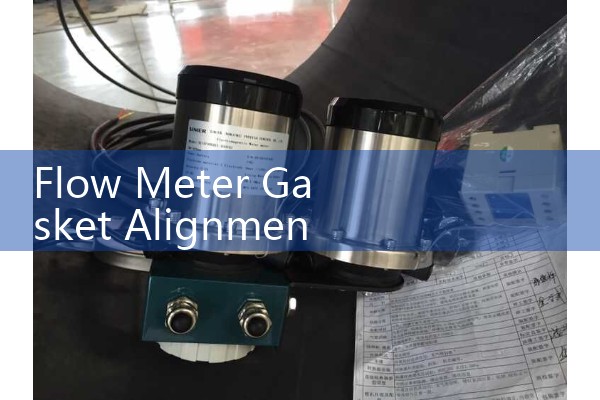
Secondly, process factors such as insufficient gas path sealing, loose pipeline connections, valve leaks, or aging seals can cause gas leakage, resulting in actual gas output being lower than the displayed value.
. For example, if the flange connection is not tightened in place, it may form small gaps, and the leakage rate will significantly increase after long-term operation. Solution: Regularly check the air system and use soap water or leak detectors to detect leakage points; Replace aging seals and ensure that all connections are securely fastened. Changes in operating conditions, temperature or pressure fluctuations can alter gas density, thereby affecting the