

 Current position > Product detail
『DN32 flowmeter』Related information(clamp on meter|electromagnetic meter|venturi meterrotameter|orifice meter|ultrasonic flow meter|mass flow meter|coriolis mass flow meter|coriolis flow meter|magnetic flow meter|magmeter flow meter|magflow flow meter|mag meter flow meter|electromagnetic flow meter|vortex flow meter|turbine flow meter|thermal mass flow meter|thermal flow meter|rotameter flow meter)
1. Can DN40 be used with DN32 flowmeter?
Yes, in order to meet the flow range and ensure measurement accuracy, a variable diameter flange can be connected.
What is the diameter of a 2.1-inch 1.2-inch 2-inch 2.5-inch flow meter?
In industrial and civilian pipelines, the diameter of flow meters is usually expressed in inches or metric units DN (German designation).
. Specifically, the diameter of the 4-point flowmeter is DN15, with a diameter of 15 millimeters. Similarly, the diameter of the 6-minute flowmeter is DN20, with a diameter of 20 millimeters. The diameter of the 1-inch flowmeter is DN25, with a diameter of 25 millimeters. Further up, the diameter of the 1.2-inch flowmeter is DN32, with a diameter of 32 millimeters, and the diameter of the 1.5-inch flowmeter is DN40, with a diameter of 40 millimeters. The above caliber information is provided by Changzhou Kute Hot Meter Company, and these data are crucial for the correct selection and installation of flow meters. Choosing the appropriate flowmeter diameter can ensure measurement accuracy, avoid pressure loss in fluid flow, and improve the service life of the equipment. For example, if the diameter of the pipeline is smaller than the diameter of the flow meter, it will cause the fluid flow rate to be too fast, thereby increasing energy loss; On the contrary, if the diameter of the flowmeter is smaller than the diameter of the pipeline, it may cause the flowmeter to be unable to fully respond to changes in fluid flow rate, affecting measurement accuracy. In practical applications, multiple factors need to be considered when determining the diameter of a flowmeter, including but not limited to the diameter of the pipeline, the expected m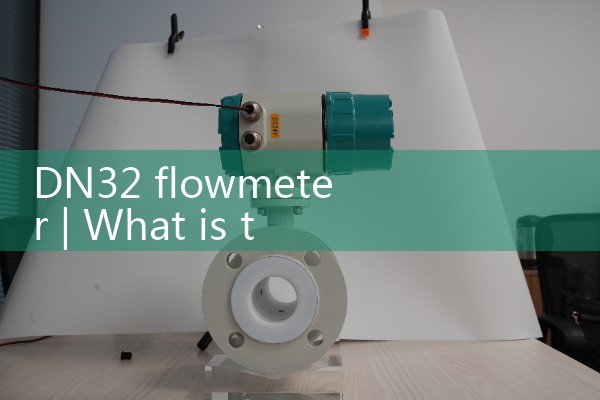
3. Selection and specification of steam flow meter
The selection and specification of steam flow meter should consider the following points: diameter: DN25: suitable for liquid flow range of 1-10m3/h to 60m3/h, gas flow range of 25m3/h to 60m3/h. DN32 and DN40: The flow range varies depending on the type of liquid and gas. DN50 to DN200: The flow range gradually expands to accommodate a wider range of liquid and gas flow rates. DN300 and above: It is recommended to use a plug-in flowmeter. Temperature and pressure compensation function: N: No compensation function. Y: There is a compensation function. Output model: F1: Two wire system 420mA. F2: Three wire system 420mA. F3: RS485 communication interface. Type of tested medium: J1: liquid. J2: Gas. J3: Steam. Connection method: L1: flange clamp type. L2: Faqingju permeable orchid connected sparrow spine. Function options: Accuracy: E
1, E2. Temperature: T
1. T
2. T3. Pressure rating: P1 to P3. Power supply methods: D1 and D2. Materials: B1 and B2. When selecting, the above specifications should be comprehensively considered based on specific measurement requirements, working environment, budget, and other factors to ensure that the selected steam flowmeter can meet actual usage requirements. Why are the flow rates of two flow meters on the same pipeline more than four times different?
The possible reasons for the flow rate difference of more than 4 times between two flow meters on a p