

 Current position > Product detail
『Seal Water Flow Meter All Seal Types: Auxiliary Packing Fluid Alarms』Related information(clamp on meter|electromagnetic meter|venturi meterrotameter|orifice meter|ultrasonic flow meter|mass flow meter|coriolis mass flow meter|coriolis flow meter|magnetic flow meter|magmeter flow meter|magflow flow meter|mag meter flow meter|electromagnetic flow meter|vortex flow meter|turbine flow meter|thermal mass flow meter|thermal flow meter|rotameter flow meter)
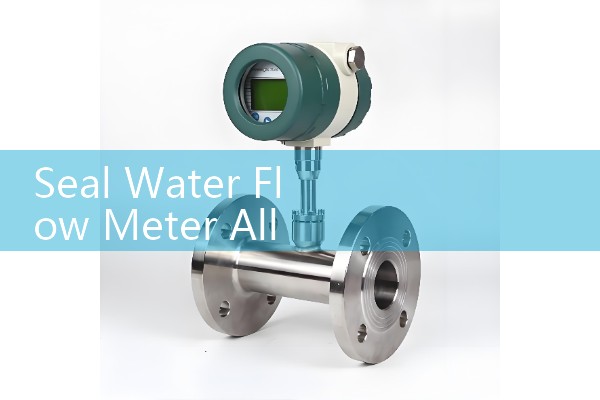
Seal Water Flow Meter All Seal Types: Auxiliary Packing Fluid Alarms
Quick Answer: A seal water flow meter measures flush water, quench water, and auxiliary packing fluid to protect mechanical seals and packing glands. Silver Automation Instruments supplies compact flow meters with 4-20 mA HART, pulse output, and low flow alarm relay for single seals, double seals, tandem seals, and packed pumps. Send pipe size (DN), flow range (L/min), pressure (bar), and temperature (°C) to get a quote.
Seal water flow can drop before anyone sees a temperature rise. That costs you a pump overhaul. We build a seal water flow meter for all seal types, including single mechanical seals, double mechanical seals, tandem seals, and packing glands. These meters measure auxiliary packing fluid and give an early alarm when flow falls below a safe setpoint.
Why Auxiliary Packing Fluid Alarms Matter
In a single mechanical seal with API Plan 32 flush, typical seal water flow is 0.5 to 1.5 L/min per seal. Double and tandem seals often use barrier fluid at 2 to 5 L/min. Packed pumps may use 1 to 8 L/min depending on shaft size and pressure. If flow falls below 30 percent of normal, the alarm should fire. Most engineers skip this part until a seal burns. We have seen this on customer sites many times.
Flow Meter Options for Different Seal Fluids
In practice, most seal water is conductive. Choose the Silver Instruments electromagnetic flow meter. It has no moving parts and tolerates small particles. The SIL-EMF series in DN15 or DN25 gives 0.5 percent accuracy, PTFE lining, and 4-20 mA HART output. For non conductive glycol or oil based buffer fluid, use an oval gear flow meter. It measures 0.1 to 10 L/min with 0.5 percent accuracy. For air purge or nitrogen barrier systems, use a thermal mass flow meter.
Alarm Outputs and Field Wiring
Silver Instruments flow meters can include two alarm setpoints. One relay output covers low flow. One pulse or 4-20 mA signal covers rate and total. For example, set the low flow alarm at 0.3 L/min on a DN15 electromagnetic flow meter. The relay goes to DCS or PLC. Use a 24 V DC
Installation Notes for Seal Water Skids
This is where many projects go wrong. Place the meter downstream of a strainer and before the seal water injection point. Avoid air pockets. Keep the meter full of liquid. Use a straight run of 10D upstream and 5D downstream if possible. For DN15 and DN20 lines, even a compact meter needs stable flow. Fittings often include 1/2 inch NPT threads or DN15 PN16 flanges. We have supplied seal water flow meters to a palm oil refinery in Johor, Malaysia and a desalination plant in Western Australia.
What to Send Us for a Quote
Do not just ask for a price. Send us your pressure in bar, temperature in °C, pipe size in DN, and flow range in L/min. Also tell us the seal type and flush plan. We will recommend a meter and alarm setpoints. Contact Silver Automation Instruments at Tel: +86-135-1213-1526, Whatsapp: 86-135-12131526, WeChat: +86 13512131526.
FAQ
What seal water flow rate is normal?
A single mechanical seal with Plan 32 usually needs 0.5 to 1.5 L/min. Double or tandem seals often run 2 to 5 L/min. Packed pumps vary from 1 to 8 L/min.
Can the flow meter measure glycol or oil based barrier fluid?
Yes. Use an oval gear flow meter for non conductive fluids. Use an electromagnetic flow meter only for water with conductivity above 20 µS/cm.
How does the low flow alarm work?
The meter has a relay output. You set a low flow threshold. If flow drops below the threshold, the relay closes or opens after a small delay. Connect it to PLC, DCS, or a local alarm lamp.
What pipe connections are common?
DN15 and DN20 are common for seal water. Options include threaded NPT, tri-clamp, and flange. We supply PN16, ANSI 150, and JIS 10K flanges.
What information do you need for a quick quote?
Send pressure in bar, temperature in °C, pipe size in DN, flow range in L/min, fluid type, and hazardous area class. We reply with model and price within 24 hours.