

 Current position > Product detail
『Electronic Gas Flow Meter: Advantages of digital volumetric tracking in gas lines.』Related information(clamp on meter|electromagnetic meter|venturi meterrotameter|orifice meter|ultrasonic flow meter|mass flow meter|coriolis mass flow meter|coriolis flow meter|magnetic flow meter|magmeter flow meter|magflow flow meter|mag meter flow meter|electromagnetic flow meter|vortex flow meter|turbine flow meter|thermal mass flow meter|thermal flow meter|rotameter flow meter)
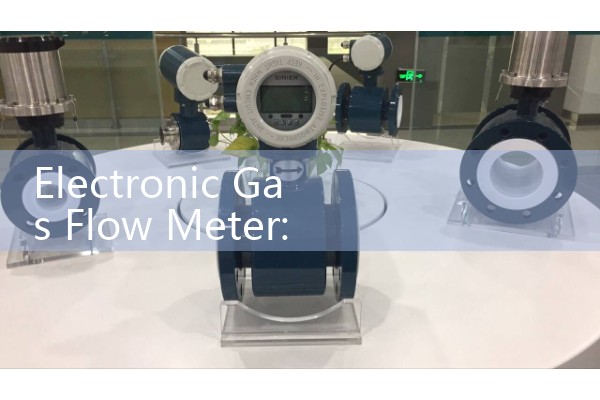
Electronic Gas Flow Meter: Advantages of digital volumetric tracking in gas lines
Quick Answer: Electronic gas flow meters deliver better volumetric tracking than mechanical counters because they sample flow once per second, log data digitally, and correct volume to standard conditions on the fly. A plant can spot a 3 percent gas loss in real time instead of waiting for a monthly spreadsheet. Silver Instruments builds these meters with 4-20 mA HART output, Modbus RTU, and ATEX Zone 1 approvals, in pipe sizes from DN15 up to DN200.
Why Plants Move Away from Mechanical Gas Totalizers
Mechanical gas meters use gears and a counter. They work for years. But they drift as bearings wear. Low flow often does not move the mechanism at all. A Vietnamese food factory told us their old mechanical meter missed 5 percent of biogas flow below 8 m³/h. After installing a Silver Instruments thermal mass flow meter, they recovered the lost reading and improved digester feed control.
Digital volumetric tracking solves that. It measures flow rate continuously and integrates volume with a time stamp. No dead band at low flow. No sticky mechanical register. The processor inside corrects temperature and pressure so you get standard cubic meters per hour (Sm³/h) or normal cubic meters. In practice, this means you buy or sell gas based on actual energy content, not on an approximate counter.
How Digital Volumetric Tracking Works
An electronic gas flow meter uses a sensor like a thermal mass element, a vortex shedder bar, or a turbine wheel with a magnetic pickup. The signal goes to a microcontroller that calculates instantaneous flow. Volume totalization happens in RAM, not on a rolling drum. You get a local display showing totalized volume, flow rate, and temperature. At the same time, the meter pushes data through 4-20 mA HART or RS485 Modbus to your DCS or PLC. The plant historian can trend gas use per shift, per hour, or per batch.
Here is the thing. Many engineers skip the fact that a good electronic meter stores data for years. Never lose a gas consumption record even if the SCADA crashes. Silver Instruments meters store 6 months of logged volume at 1 minute intervals on an internal SD card. That feature saved a chemical plant in Egypt during an audit last year.
Key Advantages for Gas Lines
Negligible cut-off flow. Thermal mass meters read down to 0.1 m/s. Vortex meters work from about 1 m/s for gas. This means you capture start-stop loads in batch cooking or tank blanketing, where mechanical meters sit at zero.
Pressure and temperature compensation built in. Gas volume changes with temperature and pressure. A mechanical meter reads actual m³. If your boiler gas comes at 38 °C one morning and 12 °C the next, you lose consistency. Electronic meters use an integrated PT100 and a pressure transducer to convert volume to standard conditions: 0 °C and 1.01325 bar, or 15 °C and 1 bar depending on your contract. For natural gas billing, this matters a lot.
Digital communication cuts wiring. One pair of wires for 4-20 mA loops, or a single RS485 cable, replaces impulse lines and mechanical integrators. A large water treatment site in Saudi Arabia cut cable cost by 30 percent when they switched from pneumatic flow computers to Modbus-enabled gas meters from Silver Instruments.
Low maintenance. No oil-filled gearbox. No mechanical register to freeze under high humidity. We have units running for 6 years in a landfill gas application in Malaysia without any cleaning cycle, only an annual calibration check.
Easy integration with energy management systems. Because the meter outputs st
Real World Applications and Sizing
A compressed natural gas (CNG) station in Brazil needed a DN50 meter for 80 Nm³/h peak flow, 20 bar line pressure. We supplied a vortex flow meter with integrated temperature and pressure compensation, 4-20 mA output, and an ATEX Zone 1 housing. The totalized volume matches the billing system to within 0.7 percent deviation over a month.
A nitrogen blanketing line in a Thai chemical plant runs at just 6 Nm³/h inside a DN25 pipe. A mechanical meter could not register that low. We delivered a thermal mass flow meter with 0 to 10 Nm³/h range and a pulse output for the PLC. The operator now sees exact nitrogen usage per batch and saved 15 percent on gas supply after detecting a leaking valve during the first week.
Most engineers ask: what data do I need to spec a meter? You need minimum and maximum flow in Nm³/h or kg/h, pipe size DN, gas type, operating temperature in °C, pressure in bar, and the required output signal. For biogas or landfill gas, also give us the approximate composition because methane and CO2 mixture changes the thermal conductivity used by thermal mass meters.
Frequently Asked Questions
Q: Can electronic gas flow meters handle wet or dirty gases?
A: Yes, when you choose the right technology. Vortex meters with a filter or thermal mass meters with an inert sheath perform well on biogas, flare gas, and coke oven gas. Silver Instruments offers Hastelloy C wetted parts for corrosive gas mixtures.
Q: What certifications do your meters have for hazardous areas?
A: Our standard electronic gas flow meters come with ATEX Zone 1 and Zone 2 approvals. We also supply IECEx certified versions. Intrinsic safety (Ex ia) and flameproof (Ex d) enclosures are available. Just mention your zone classification in the inquiry.
Q: How do you calibrate the volumetric tracking?
A: Each meter leaves our factory with a calibration certificate traceable to national standards. We use a reference air flow rig. For natural gas, we can apply a real gas correction factor if you provide the composition. On site, you can verify the zero point with the sensor blocked.
Q: Can I retrofit an electronic meter on an existing gas pipe?
A: Usually yes. Our meters come with wafer, flanged, or threaded connections. DN15 to DN50 can fit inline with minimal piping changes. We often help customers in Australia and Vietnam replace old mechanical counters by supplying a spool piece with the same face-to-face dimension.
Q: How does digital volumetric tracking help with carbon reporting?
A: You get auditable, time-stamped gas usage data. Instead of taking a manual reading once a day, your system logs totalized volumes every minute. This directly supports Scope 1 emission calculations for GHG reporting. Several customers in Singapore use the Modbus output to feed their environmental management software.
Ask for a Custom Quote
Send us your pressure (bar), temperature (°C), pipe size (DN), and flow range (Nm³/h or kg/h). Also tell us the gas type, output signal you need (4-20 mA HART, Modbus, pulse), and if you need an ATEX or IECEx certificate. Our team will respond with a data sheet, price, and lead time within one working day.
Contact Silver Instruments
Email: [email protected]
Phone: +86-25-68650347
WhatsApp: +86-25-52155837
WeChat: +86 15365082610