

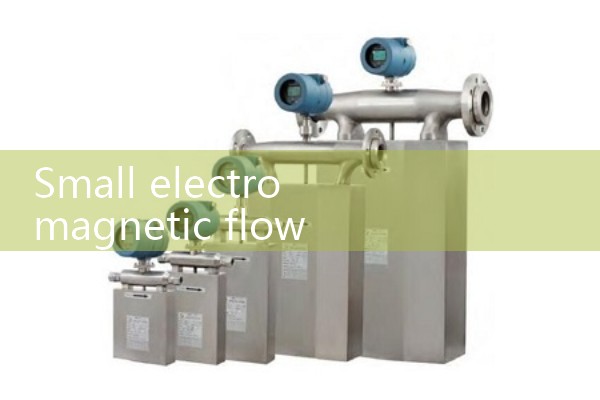
『Small electromagnetic flowmeter』Related information(clamp on meter|electromagnetic meter|venturi meterrotameter|orifice meter|ultrasonic flow meter|mass flow meter|coriolis mass flow meter|coriolis flow meter|magnetic flow meter|magmeter flow meter|magflow flow meter|mag meter flow meter|electromagnetic flow meter|vortex flow meter|turbine flow meter|thermal mass flow meter|thermal flow meter|rotameter flow meter)
What is the range of an electromagnetic flowmeter? The range of an electromagnetic flowmeter depends on multiple factors, including its size and diameter, design parameters, and the physical properties of the fluid being measured. Under normal circumstances, electromagnetic flow meters can provide a fairly wide measurement range. Here are some reference data: the flow velocity measurement range is generally 0.05 to 10 meters per second (m/s). According to the different nominal diameters (DN) of Zhengzhuo, the measurable flow range varies: for example, for a DN10 electromagnetic flowmeter, the measurable flow range is approximately between 0.0142 and 3.3912 cubic meters per hour (m ³/h). The effective measurement flow range of DN15 electromagnetic flowmeter may be 0.0318 to 7.6302 m ³/h. The measurement range of electromagnetic flow meters is usually large, ranging from 20:1 to 50:1, which means that the ratio of maximum flow rate to minimum flow rate can reach this range. The caliber range is very wide, ranging from a few millimeters (mm) to pipes with sizes exceeding DN6000 or even larger. Choosing an electromagnetic flowmeter requires determining the appropriate range and diameter based on the expected flow rate in practical applications, fluid conductivity, pipeline size, and process requirements to ensure accurate and effective measurement. In addition, the specific range of electromagnetic flow meters produced by different manufacturers may vary, and should be selected according to the product specification table. 2. How to select Emerson flow meters based on pipe diameter
Emerson flow meters are mainly selected based on the type of flow meter and the actual flow range. The core is to match the pi
2. The matching of pipe diameter and flow range requires the selection of pipe diameter according to the actual flow rate size: • Choosing a larger pipe diameter: If the actual flow rate is lower than the lower limit flow rate of the flowmeter, it will lead to a decrease in measurement accuracy or inability to measure normally. For example, using a large pipe diameter flowmeter for small flow processes in small food processing plants may result in inaccurate measurement. • Choosing a smaller diameter: If t
 Hot Blog
 Related AD