

『Split type steam flowmeter』Related information(clamp on meter|electromagnetic meter|venturi meterrotameter|orifice meter|ultrasonic flow meter|mass flow meter|coriolis mass flow meter|coriolis flow meter|magnetic flow meter|magmeter flow meter|magflow flow meter|mag meter flow meter|electromagnetic flow meter|vortex flow meter|turbine flow meter|thermal mass flow meter|thermal flow meter|rotameter flow meter)
What flow meter is used to measure superheated steam/saturated steam? Vortex flowmeters are generally used to measure superheated steam and saturated steam. To ensure measurement accuracy, appropriate temperature or pressure compensation should be selected based on the characteristics of both. Saturated steam: Water is heated at a certain pressure until it boils and vaporizes. At this point, the steam temperature is equal to the saturation temperature, which is called saturated steam. The saturation pressure and saturation temperature correspond to each other, and both pressure compensation and temperature compensation can be used during measurement. Due to the relatively easy pressure compensation and high measurement accuracy, pressure compensation methods are mostly used in practical applications, such as the use of LUB split vortex flowmeter embedded with HSYB pressure transmitter. Overheated steam: Saturated steam continues to be heated, and when the temperature rises and exceeds the saturation temperature at that pressure, it is called superheated steam. Superheated steam is a single-phase fluid with characteristics similar to gases. Its temperature and pressure are two independent variables, and its density is determined by both. When measuring, any change in temperature or pressure can cause a change in steam density, which in turn affects the mass flow rate. Therefore, temperature and pressure compensation must be performed simultaneously to ensure accuracy, such as when using a LUB split vortex flowmeter with HSYB pressure transmitter and WZPK platinum resistor. In addition, measuring the flow rate of high-temperature steam (superheated steam or saturated steam) can also use LUB integrated vortex flowmeter 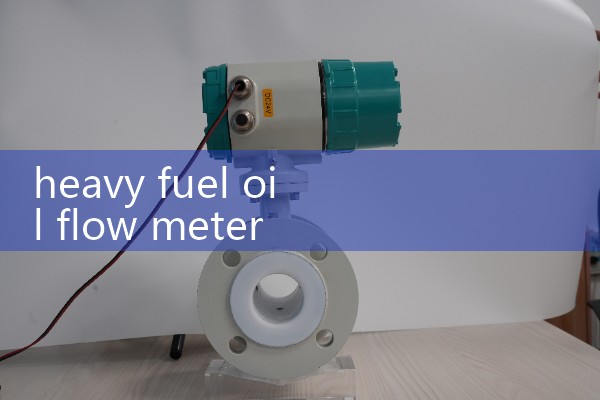
2. What are the differences between electromagnetic flowmeters and vortex flowmeters?
Electromagnetic flowmeter and vortex flowmeter are two commonly used flow measurement devices, with the following differences: their working principles are different: electromagnetic flowmeter uses the principle of electromagnetic induction to measure the flow rate of conductive fluid by measuring the electromotive force generated when the conductive fluid passes through an external magnetic field; The vortex flowmeter obtains the flow rate value by measuring the frequency of the vortex. Different measuring media: Electromagnetic flow meters can measure various conductive liquids, such as water, sewage, seawater, various acid-base salt solutions, various industrial liquids, etc; Vortex flow meters can measure gases such as steam and compressed air, and Borui can also measure liquids, but cannot measure conductive liquids. Different temperature requirements: Electromagnetic flow meters require that the temperature of the measured medium should not be too high, generally below 50 ℃; Vortex flowmeters do not have such strict temperature requirements, and can easily measure high-temperature gases or liquids. The structural forms are different: the electromagnetic flowmeter has two structural forms: the integrated type and the split type. The integrated type installs the converter and sensor together, while the split type installs the sensor and converter separately (with a 5M cable). I hope this information can help you understand the difference between electromagnetic flowmeters and vortex flowmeters.
 Hot Blog
 Related AD