

『Selection criteria for flow meters』Related information(clamp on meter|electromagnetic meter|venturi meterrotameter|orifice meter|ultrasonic flow meter|mass flow meter|coriolis mass flow meter|coriolis flow meter|magnetic flow meter|magmeter flow meter|magflow flow meter|mag meter flow meter|electromagnetic flow meter|vortex flow meter|turbine flow meter|thermal mass flow meter|thermal flow meter|rotameter flow meter)
How to choose a flow meter?
2. How to select Emerson flow meters based on pipe diameter
Emerson flow meters are mainly selected based on the type of flow meter and the actual flow range. The core is to match the pipe diameter with the flow range to avoid a decrease in measurement accuracy or equipment damage caused by improper pipe diameter.. 1. The range of pipe diameters and the type of flow meter are compatible with Emersons mainstream flow meters. The range of pipe diameters is different. The Coriolis flow meter is suitable for small pipe diameters, usually DN6-DN200 (1/4 inch -8 inches). Based on the principle of Coriolis force, it has high measurement accuracy for fluid density and mass flow, and is commonly used for small flow additive transportation in the chemical industry. Electromagnetic flowmeter: suitable for a wide range of pipe diameters, from DN6-DN3000 (1/4 inch -120 inches), using the principle of electromagnetic induction to measure the volumetric flow rate of conductive liquids. Large pipe diameters are used for water supply and drainage, sewage treatment, and small pipe diameters are used for accurate control in industries such as pharmaceuticals and food. • Vortex flowmeter: The common pipe diameter is DN15-DN300 (1/2 inch -12 inches), based on the Karman vortex principle, suitable for measuring gases, vapors, and low viscosity liquids. It is widely used in industrial process gas flow measurement.
2. The matching of pipe diameter and flow range requires the selection of pipe diameter according to the actual flow rate size: • Choosing a larger pipe diameter: If the actual flow rate is lower than the lower limit flow rate of the flowmeter, it will lead to a decrease in m
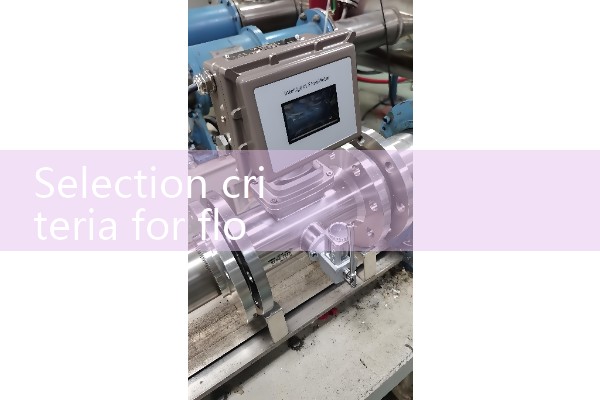
3. Considering the diameter of the process pipeline, it is preferred to choose a flowmeter with the same diameter as the process pipeline to reduce installation costs and resistance losses. If the diameter of the process pipeline is special and does not fully match the flow meter, it can be connected through a variable diameter pipe fitting, but attention should be paid to the impact of the flow rate change after the variable diameter on the measurement accuracy.
3. Selection reference for electromagnetic flowmeter electrodes under different fluid media
The selection of electromagnetic flowmeter electrodes should be comprehensively selected based on the corrosiveness, wear resistance, and working conditions of the fluid medium. Common electrode materials and applicable scenarios are as follows
1. 316L stainless steel electrodes are suitable for media such as water, sewage, inorganic acids (such as dilute sulfuric acid and phosphoric acid), organic acids (such as acetic acid), and other slightly corrosive media.
. Features: Low cost, strong resistance to uniform corrosion. Not suitable for working conditions with chloride ions (such as seawater) or strong oxidiz Hot Blog
 Related AD