

『Peak Flow Meter Normal Values: Target Ranges by Demographics』Related information(clamp on meter|electromagnetic meter|venturi meterrotameter|orifice meter|ultrasonic flow meter|mass flow meter|coriolis mass flow meter|coriolis flow meter|magnetic flow meter|magmeter flow meter|magflow flow meter|mag meter flow meter|electromagnetic flow meter|vortex flow meter|turbine flow meter|thermal mass flow meter|thermal flow meter|rotameter flow meter)
Peak Flow Meter Normal Values: Target Ranges by Demographics
Quick Answer: Normal values for industrial peak flow meters shift based on your pipe size (DN), fluid type, and industry sector. For a DN25 water line, a typical peak flow sits between 1 and 10 m³/h. For a DN100 diesel line, expect 30 to 300 m³/h. Send us your exact pipe size, fluid, and operating conditions to confirm your target range. Our vortex and electromagnetic flow meters capture these peaks with a 0.5-second update cycle.
What Counts as a Peak Flow Meter in a Process Plant
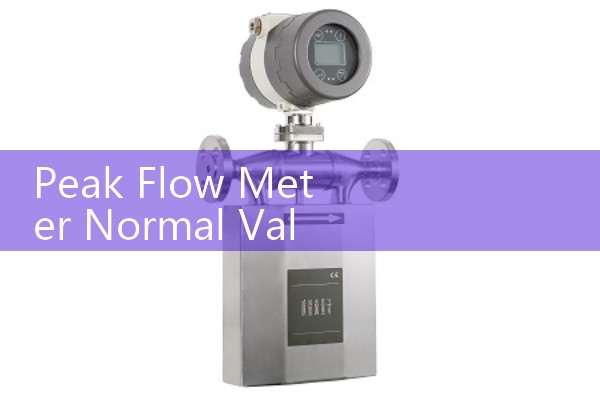
In industrial settings, a peak flow meter measures the maximum instantaneous flow rate, not an average. This matters for pump protection, safety relief valve sizing, and batching accuracy. You will see engineers use vortex flow meters, turbine meters, or Coriolis mass flow meters for peak monitoring. At Silver Automation Instruments, our SVF series vortex flow meter and SEF series electromagnetic flow meter are common picks. The peak value you see on the display is what your pipe actually delivered at that second. No smoothing. No averaging.
Why Normal Values Depend on Your Process Demographics
Demographics here means the physical and operational DNA of your line. Pipe diameter, fluid viscosity, operating pressure, and industry sector all shape the normal peak flow window. A food-grade water line in a Malaysian beverage plant behaves very differently from a heavy crude oil line in Saudi Arabia. We see this often. A DN80 pipe carrying drinking water at 3 bar might register a peak of 60 m³/h during tank filling. The same DN80 pipe moving 500 cP syrup will top out at maybe 30 m³/h because of viscosity drag. That is why we ask for your fluid data first.
Target Ranges by Pipe Diameter (DN) and Fluid Type
We compiled typical peak flow ranges from field data across Southeast Asia, the Middle East, and Oceania. These are normal values, not extremes. For clean water at 20°C and 2 bar: DN15 lines see 0.2 to 2 m³/h peaks. DN25 lines see 1 to 10 m³/h. DN50 lines see 5 to 50 m³/h. DN80 lines see 15 to 100 m³/h. DN100 lines see 30 to 200 m³/h. For diesel fuel with viscosity around 5 cSt: DN25 peaks range 0.5 to 5 m³/h. DN50 peaks range 4 to 40 m³/h. DN80 peaks range 10 to 80 m³/h. If your fluid is heavy oil or chemicals, divide these numbers by two or three. Our Coriolis meters like the SCF series handle liquids up to 1000 cP without losing accuracy on peak flows.
Industry Examples That Show the Shift
A paint manufacturer in Vietnam uses a DN40 line for solvent transfer. Their normal peak flow sits at 3.5 m³/h. But when they flush the line with thinner, the peak jumps to 8 m³/h for 30 seconds. They use a Silver Instruments SVF vortex flow meter with 4-20 mA HART output to record both peaks. Last year, a desalination plant in Oman asked us why their electromagnetic flow meter showed a peak of 220 m³/h on a DN150 brine line. The norm
How to Select Your Peak Flow Meter with Confidence
Most engineers skip the manual and go straight to the Quick Start. Here is the thing: you need a meter with fast enough response time to catch peaks. Vortex meters typically update every 0.5 seconds. Coriolis meters can go down to 0.1 seconds. Silver Instruments SCF series Coriolis mass flow meters deliver mass flow, density, and temperature, and capture peaks without lag. If conductivity is above 20 µS/cm, our SEF electromagnetic flow meters provide accurate peak readings for water and wastewater. For gas peak flow, the SVF vortex meter works well on compressed air and natural gas lines up to DN200. Send us your pipe size (DN), fluid name, pressure (bar), temperature (°C), and the peak flow range you expect. We will recommend the exact model and confirm the normal values for your demographics. Do not forget to check the ATEX Zone 1 certification if your plant handles solvents or gas.
Contact Silver Automation Instruments:
Email: [email protected]
Tel: +86-135-1213-1526
Whatsapp: 86-135-12131526
WeChat: +86 13512131526
Visit flow-meter.com.au for data sheets.
FAQ: Peak Flow Meter Normal Values
Q1: Can I use the same normal peak flow range for water and diesel in the same DN pipe?
No. Viscosity and density change the velocity profile. Water gives higher flow rates for the same pressure drop. Diesel moves slower. Always use separate target ranges for each fluid.
Q2: Do I need a peak flow meter if I already have a standard flow meter?
Maybe. Standard meters often output averaged flow. If your process depends on instant peak detection for safety or batching, a peak-capable meter like our SVF vortex or SCF Coriolis is necessary.
Q3: What minimum response time should I look for?
Under 1 second is good. Silver Instruments vortex meters sample at 0.5 seconds. Coriolis at 0.1 seconds. Slow meters miss 2-second pressure spikes.
Q4: How do I verify the normal values on site?
Use a calibrated test bucket or a master meter. Record peaks during normal operation for a week. Compare with the ranges we provided. In practice, many customers send us their logged data and we help validate the meter sizing.
Q5: Do your meters store peak flow data?
Yes, our paperless recorders and flow computers log peak values. You can export them via RS485 Modbus or 4-20 mA HART to your DCS. Ask our team about the SDR paperless recorder series.
Get your target ranges right from the start. Talk to our engineers.
 Hot Blog
 Related AD