

『Kaifeng Flow Meter Sourcing: Finding Certified Chinese Manufacturers for Large Flanged Electromagnetic Instruments』Related information(clamp on meter|electromagnetic meter|venturi meterrotameter|orifice meter|ultrasonic flow meter|mass flow meter|coriolis mass flow meter|coriolis flow meter|magnetic flow meter|magmeter flow meter|magflow flow meter|mag meter flow meter|electromagnetic flow meter|vortex flow meter|turbine flow meter|thermal mass flow meter|thermal flow meter|rotameter flow meter)
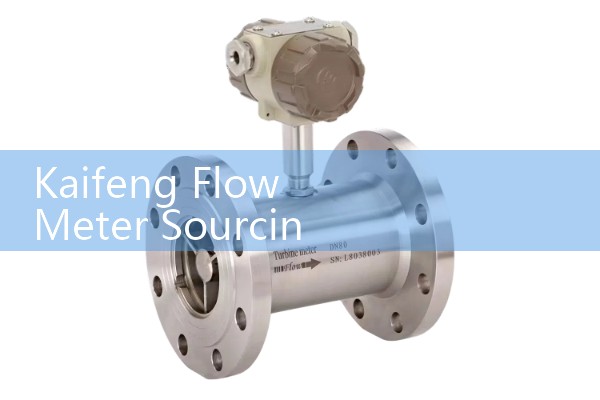
Kaifeng Flow Meter Sourcing: Finding Certified Chinese Manufacturers for Large Flanged Electromagnetic Instruments
Quick Answer
For large flanged electromagnetic flow meters from Kaifeng, check ISO 9001 and CE certificates first. Confirm the liner material, electrode material, flange rating, and accuracy class before asking for a price. Silver Instruments supplies certified DN100 to DN2000 electromagnetic flow meters from audited Kaifeng manufacturers and ships to industrial customers in Southeast Asia, Oceania, Latin America, Africa, and the Middle East.
Why Kaifeng Matters for Large Flanged Electromagnetic Instruments
Kaifeng has a dense cluster of flow meter factories. Many of those factories have produced electromagnetic meters for 20 years or more. Large sizes such as DN300, DN500, DN800, and DN2000 are standard in this region. A DN600 PN16 meter often ships in 15 to 25 days. That lead time is shorter than many European brands. Price gaps between Kaifeng factories can run from 20 to 35 percent for the same flange rating and liner. You still need to verify documents. A low price without a wet calibration report is a risk.
What Certifications and Tests to Request
Ask for ISO 9001:2015. Ask for a CE marking that covers the exact model and size. If the meter will be installed in a hazardous area, request an ATEX or IECEx certificate for the flow sensor or transmitter. Some audited Kaifeng factories hold explosion proof certificates for Zone 1 and Zone 2. Also request a calibration certificate for each meter. A wet calibration report is normal for DN15 to DN300. For DN350 and above, some factories use dry calibration or comparison testing. Confirm the method before you place an order. Do not accept a generic brochure. Ask for the actual test report with the serial number, flow rate, and error curve.
Key Specifications for Large Flanged Electromagnetic Instruments
Specify DN size first. DN200 to DN1000 covers most water, wastewater, and process water projects. Some plants need DN2000 for river water intake. Check the flange standard. EN 1092-1 PN10 or PN16 is common in Asia and the Middle East. ANSI 150 lb is common in the Philippines, Malaysia, Indonesia, and Latin America. The liner must match the fluid. Natural rubber works for clean water and wastewater. Neoprene handles slightly higher temperatures. PTFE or PFA is better for chemicals. Electrodes are usually 316L stainless steel. For seawater or high chloride water, use titanium or tantalum. Grounding rings or grounding electrodes reduce signal noise. A remote display with a 10 m cable helps for buried pipes or tight spaces. Accuracy of 0.5 percent of reading is standard. For custody transfer or dosing, request 0.2 percent. The transmitter should support 4-20 mA HART, RS485 Modbus, and a pulse output. IP68 sensors survive flooding in pits.
Recommended Model Pairing for Sourcing Teams
For clean water and wastewater at DN400 PN10, specify a rubber lined mag meter with 316L electrodes and a compact IP67 transmitter. That setup is cost effective. For seawater desalination, choose a neoprene or PTFE liner with titanium electrodes at DN300 PN16. You also need grounding rings. For chemical dosing in a paint plant, a DN25 PTFE lined meter with tantalum electrodes handles aggressive acids. Silver Instruments often pairs a large flanged electromagnetic meter with a remo
Common Sourcing Problems and How to Avoid Them
Some factories quote a DN400 meter with a low grade rubber liner. Ask for the liner type and hardness. Soft natural rubber can swell in oily wastewater. So check the liner compound before you approve a drawing. Another issue is flange drilling. A factory may confirm DN500 PN10 but drill to a Chinese standard unless you state EN 1092-1 or ANSI. Supply a drawing. Check the transmitter enclosure. A polyamide enclosure costs less but fails faster in direct sun near the equator. Specify an aluminum or stainless steel housing. Also confirm cable length for remote versions. A 10 m cable is standard. A 30 m cable adds cost and lead time. In practice, most engineers skip this check until a liner swells in the field. We have seen that on customer sites many times. Ask if the factory uses a third party calibration lab for large meters. If not, request a witness test by video call.
How Silver Instruments Sources Certified Kaifeng Meters
Silver Automation Instruments works with selected Kaifeng manufacturers that pass an audit. We check the calibration rig, the liner curing process, and the certificate database. We do not sell every brand from this region. We quote only certified units. Before shipment, we inspect the flange faces, the liner, the electrodes, and the wiring. We also arrange air freight and sea freight for large flanged electromagnetic instruments. Tell us the fluid, pressure in bar, temperature in Celsius, pipe size in DN, and flow range. Our team can respond with a data sheet and a quotation within 24 hours on working days. Contact Silver Automation Instruments by Tel: +86-25-68650347. WhatsApp: +86-25-52155837. WeChat: +86 15365082610.
FAQ: Five Key Questions
Q1: What is the lead time for a DN600 flanged electromagnetic flow meter from Kaifeng?
A standard DN600 meter with rubber liner and 316L electrodes usually ships in 15 to 25 days. Custom PTFE liners or titanium electrodes can add 10 to 15 days. Confirm the flange standard before order.
Q2: Can Kaifeng manufacturers supply ATEX certified large electromagnetic flow meters?
Yes. Some audited factories hold ATEX or IECEx certificates for Zone 1 and Zone 2. Request the certificate for the exact transmitter and sensor model. Do not accept a certificate for a smaller size.
Q3: Which liner works for seawater in a desalination plant?
Neoprene or PTFE works. Titanium electrodes are required. Grounding rings reduce signal noise. Specify IP68 for a flooded pit.
Q4: What information do you need for a quote?
Send the fluid, conductivity in µS/cm, pressure in bar, temperature in Celsius, pipe size in DN, flange standard, and cable length. State if you need HART or Modbus.
Q5: Do you ship to countries outside Australia?
Yes. Silver Instruments supplies customers in Southeast Asia, Oceania, Latin America, Africa, and the Middle East. Sea freight and air freight are available.
 Hot Blog
 Related AD