

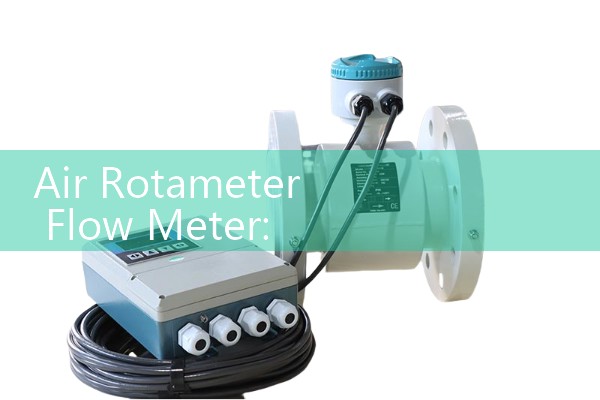
『Air Rotameter Flow Meter: Visual Variable Area Tapered Tube Gas Indicators』Related information(clamp on meter|electromagnetic meter|venturi meterrotameter|orifice meter|ultrasonic flow meter|mass flow meter|coriolis mass flow meter|coriolis flow meter|magnetic flow meter|magmeter flow meter|magflow flow meter|mag meter flow meter|electromagnetic flow meter|vortex flow meter|turbine flow meter|thermal mass flow meter|thermal flow meter|rotameter flow meter)
Air Rotameter Flow Meter for Gas: Visual Variable Area Tapered Tube Indicators
Quick Answer: Silver Instruments supplies air rotameter flow meters for gas lines from DN15 to DN50. These visual variable area tapered tube gas indicators show local flow without external power. Standard models work for air, nitrogen, argon, and clean non corrosive gases.
What Is an Air Rotameter Flow Meter?
A rotameter is a variable area flow meter. Gas enters the bottom of a vertical tapered tube. The gas pushes a float upward. The float settles where the gas flow force matches the float weight. You read the flow rate against a calibrated scale.
Because the tube is tapered, the annular gap changes as the float moves. This gives a nearly linear scale. Most industrial air rotameters use a borosilicate glass tube. Metal tube versions use a magnetic follower for higher pressure.
How the Visual Variable Area Tapered Tube Gas Indicator Works
The float position shows gas flow at a glance. No power supply is needed for local indication. Operators check the float height during shift rounds. If the float drops or rises, the operator adjusts a needle valve.
We have seen this on customer sites many times. A chemical plant in Southeast Asia uses a DN25 air rotameter on a nitrogen purge line. The operator watches the float position every shift. If the float drops below 1 L/min, the purge gas is too low. The operator adjusts the valve before the process trips.
Key Specifications for Air and Gas Service
Select a normal operating flow at 50 to 80 percent of full scale. Air ranges start at 0.1 to 1 L/min for small purge lines. Industrial ranges include 0.5 to 5 L/min, 1 to 10 L/min, and 2 to 20 L/min. Larger gas lines use 0.5 to 5 m3/h or 2 to 20 m3/h.
Standard accuracy is plus or minus 2 percent of full scale. Optional 4-20 mA HART output is available. The transmitter reads float position through magnetic coupling. The gas path stays sealed. Typical pressure ratings are 10 bar for glass tube models and 40 bar for metal tube models. Temperature limits are 100 °C standard and 200 °C high temperature. ATEX Zone 1 certified units are available for hazardous areas.
Material Options and Gas Compatibility
For clean dry air, a 304 stainless steel float and borosilicate glass tube are standard. For corrosive gas, select a 316 stainless steel body and PTFE seals. For oxygen service, request oil free cleaning. For wet gas, add a filter upstream.
Most engineers skip the material check and then face tube clouding. Here is the thing. The float responds to gas density. A rotameter calibrated for air at 1 bar will not read correctly for air at 7 bar without correction. Send us your actual pressure in bar and gas type. We recalculate the scale. This matters for compressed air and nitrogen blanketing systems.
Installation Notes for Air Rotameters
Mount the rotameter vertically. Inlet at the bottom. Outlet at the top. A tilted meter changes float travel and reading. Install a needle valve upstream for gas flow. Use a filter if the air line contains moisture or oil mist.
Keep the meter away from high vibration. For glass tube models, avoid sudden pressure shocks. Open the valve slowly during start up. For 4-20 mA HART models, use shielded twisted pair cable and keep it away from AC motor cables.
Sizing Examples and Recommended Models
Silver Automation Instruments offers a VA Series air rotameter flow meter with DN15, DN20, DN25, DN40, and DN50 connections. For a compressed air line at 6 bar with 20 Nm3/h normal flow, use a DN25 metal tube rotameter with 4-20 mA HART output. For a nitrogen purge line at 0.5 bar with 2 L/min normal flow, use a DN15 glass tube rotameter with a 0.4 to 4 L/min range.
Last year a customer in Vietnam asked us for a rotameter to measure argon shielding gas at 15 L/min. We supplied a DN15 VA Series unit with 4-20 mA HART. The installation worked on the first start. We still receive repeat orders for the same model.
Why Choose Silver Automation Instruments
Silver Automation Instruments supplies air rotameter flow meters for industrial end users and distributors in Southeast Asia, Oceania, Latin America, Africa, and the Middle East. We stock standard models for fast dispatch. We also build custom scales for different gas density. You get direct answers from engineers. We do not route you through a long call center.
Air Rotameter Flow Meter FAQ
What is the typical accuracy of a variable area air rotameter?
Standard accuracy is plus or minus 2 percent of full scale. With 4-20 mA HART output, the remote reading follows the local indicator.
Can an air rotameter handle gas pressure above 10 bar?
Yes. Metal tube rotameters handle up to 40 bar. Glass tube models are usually limited to 10 bar.
Do I need a power supply for a local indicator rotameter?
No. Local indication works without 24 V DC. Only the optional 4-20 mA HART output requires power.
What flow range should I select for my gas line?
Select a range where normal flow is 50 to 80 percent of full scale. If your normal air flow is 7 L/min, choose a 1 to 10 L/min tube.
How do I request a quote from Silver Automation Instruments?
Send your gas type, flow range, pressure in bar, temperature in °C, and pipe size in DN. Use the contact details below.
Contact Silver Automation Instruments for a Quote
Send your pressure (bar), temperature (°C), pipe size (DN), and flow range to Silver Automation Instruments. Tel: +86-135-1213-1526. Whatsapp: 86-135-12131526. WeChat: +86 13512131526. Visit flow-meter.com.au for full specifications.
 Hot Product
 Related AD