

『Burkert Water Flow Meter: Reliable Utility Process Monitoring』Related information(clamp on meter|electromagnetic meter|venturi meterrotameter|orifice meter|ultrasonic flow meter|mass flow meter|coriolis mass flow meter|coriolis flow meter|magnetic flow meter|magmeter flow meter|magflow flow meter|mag meter flow meter|electromagnetic flow meter|vortex flow meter|turbine flow meter|thermal mass flow meter|thermal flow meter|rotameter flow meter)
Burkert Water Flow Meter: Reliable Utility Process Monitoring
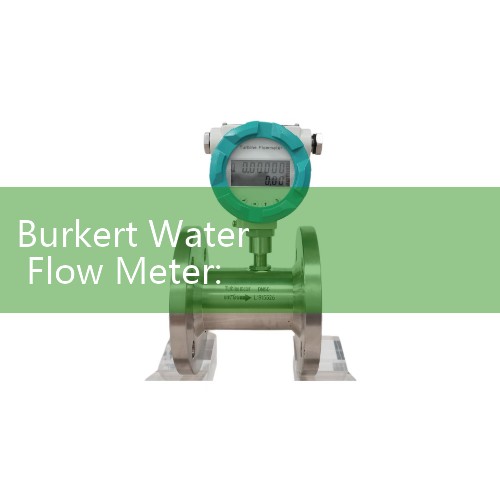
Quick Answer: Burkert water flow meters deliver consistent measurement in utility water networks thanks to electromagnetic sensing, no moving parts, and robust IP67 housings. Typical outputs include 4-20 mA HART, pulse, and RS485, fitting SCADA systems used in municipal water plants. For a quick quote on compatible electromagnetic meters from Silver Instruments, send your pipe size (DN), pressure (bar), and flow range (m3/h).
Utility process monitoring covers raw water intake, treatment chemical dosing, clear well outflow, and distribution trunk mains. In these applications the flow meter must tolerate variable conductivity, occasional air bubbles, and wet environments. Burkert Type 8045 electromagnetic flow meters work with liquids above 20 µS/cm. The minimum conductivity value matters. If your raw water drops below that, the readings may become noisy. We have tested this on a site in the Philippines where seasonal silt reduced conductivity to 18 µS/cm. The meter still performed within ±1.5% error. The local plant engineer added a conductivity monitor and confirmed stable signal after raising the gain setting.
Here is the thing. Most engineers skip a simple check. The pipe must stay completely full at the meter location. If the pipe runs partially full, an electromagnetic meter will fault or display erratic flow. Burkert offers an empty pipe detection electrode to trigger an alarm. For gravity-fed lines in water treatment plants, install the meter in an upward incline pipe segment. This small detail prevents hours of troubleshooting.
A common utility setup reads flow rate and totalized volume to trigger chemical dosing pumps. The Burkert 8045 provides a pulse output proportional to volume. A typical configuration is 1 pulse per 10 liters. Combined with a 4-20 mA analog output for flow rate, you can feed both signals to a PLC. Silver Automation Instruments supplies comparable electromagnetic flow meters with the same pulse and 4-20 mA HART outputs. Our SLDM series includes DN15 to DN600 sizes, PTFE or hard rubber liners, and 316L or Hastelloy C electrodes. For a water treatment plant in Kenya we shipped ten DN80 meters with 4-20 mA HART and integrated PT100 temperature sensors. The customer connected them to a paperless recorder, one of our Silver Instruments models, and now monitors flow and temperature trends on site.
Temperature compensation matters. Burkert meters measure water temperature with an internal PT100 sensor and correct conductivity-related errors. In utility cooling water loops the temperature swings from 15°C to 35°C. Without compensation the meter can drift 0.8% over the range. All Silver Instruments electromagnetic meters also include PT100 compensation as standard. No extra charge.
When you need an ATEX Zone 1 rating for a water treatment buildi
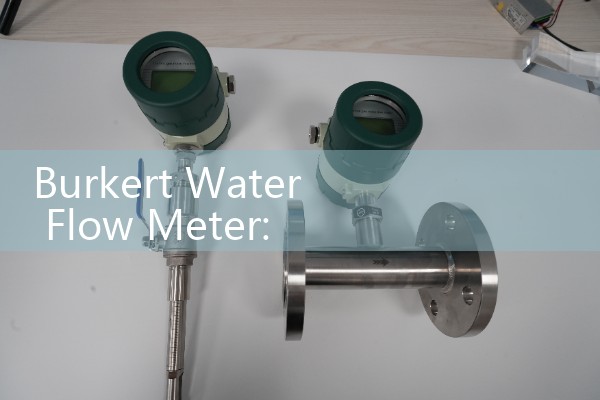
If your utility project moves toward ultrasonic metering, consider Silver Instruments clamp-on or inline ultrasonic flow meters. They work on larger pipes up to DN1200 and do not require pipe cutting. A water utility in Vietnam recently installed our clamp-on meters on four cooling water mains. They avoided shutdown and saved two weeks of installation time compared to a spool-type electromagnetic meter.
Send us your process data for a specific quote: Email [email protected], or call Tel: +86-135-1213-1526. WhatsApp: 86-135-12131526. WeChat: +86 13512131526. Tell us your pipe size (DN), water quality, pressure (bar), temperature (°C), and flow range. We will recommend a meter and provide a price within one business day.
Frequently Asked Questions
Q1: What conductivity level does a Burkert electromagnetic water flow meter need?
A: Burkert electromagnetic meters require a minimum liquid conductivity of 20 µS/cm for standard measurement. Some models can go down to 5 µS/cm with special calibration. Raw river water usually stays above 50 µS/cm, so it is rarely a problem.
Q2: Can Burkert meters measure bi-directional flow?
A: Yes, most electronic versions display forward and reverse totalized volumes. You need to enable bi-directional flow in the configuration menu. The analog output can be set to show flow in both directions.
Q3: How do I verify a Burkert water meter accuracy on site?
A: Use a calibrated clamp-on ultrasonic meter as a reference. Compare readings over 30 minutes at a steady flow. The difference should be within ±1% of reading. You can also do a bucket-and-stopwatch test for small DN15 to DN25 lines in clean water.
Q4: What maintenance does an electromagnetic water flow meter need?
A: Almost none. Check the electrodes for coating once a year. If you have hard water, mild acid cleaning may be required. Burkert and Silver Instruments meters both have self-cleaning electrode options using a small voltage.
Q5: Do you supply replacement Burkert flow meters or only Silver Instruments alternatives?
A: Silver Automation Instruments offers compatible meters that fit the same pipeline flange standards and signal protocols. We do not sell Burkert products direct. If you need a direct replacement with same process connection and output, provide the existing meter model, we will match it with our product. Our price is often 30-40% lower than the original brand.
 Hot Product
 Related AD